Why AI agents slip out of control
A written order is not a padlock, and control has to sit where the agent cannot rewrite it.
Read the piece Why AI agents slip out of controlI research how to keep power grids, ports and cities standing when nobody quite knows what will happen, using mathematics, AI and quantum computing. This is where I keep what I write, the experiments with every version, and the projects and books that come out of all that. What broke stays here too, with the date it broke.
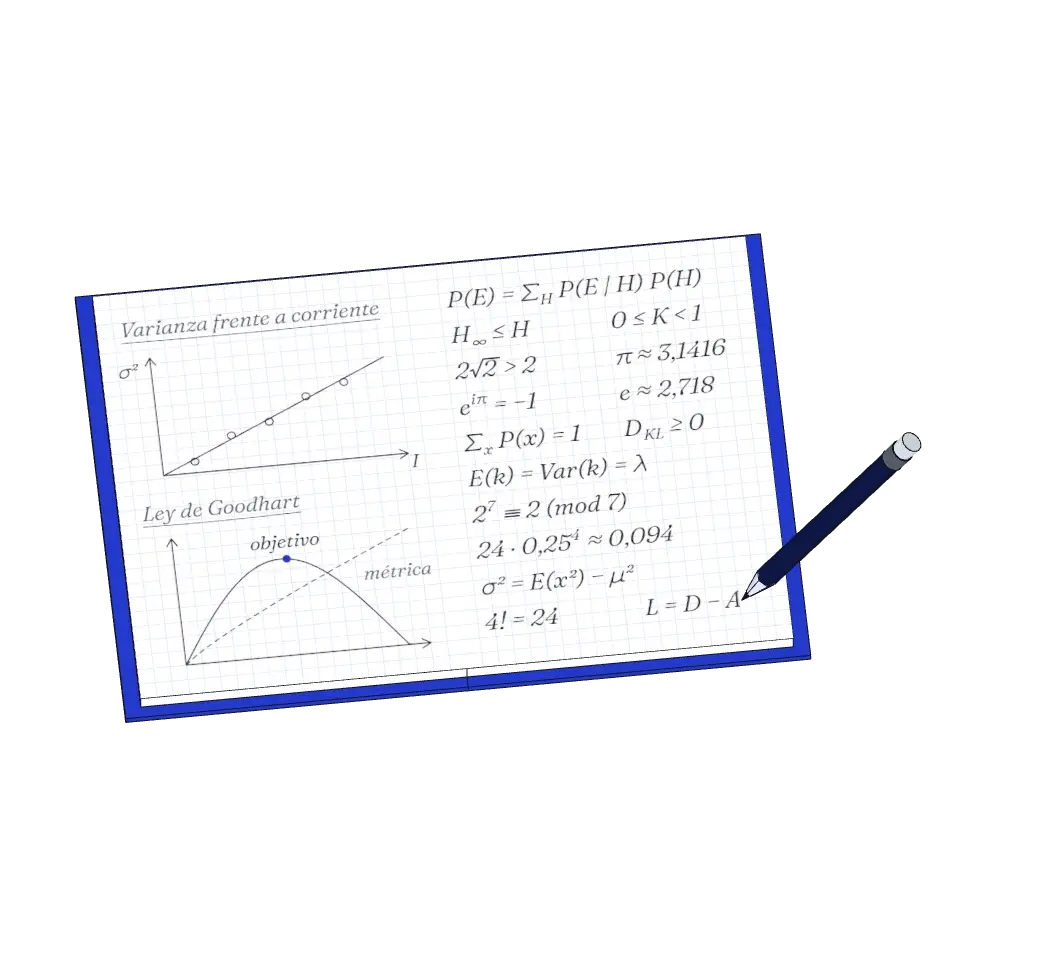
The pages hold the Bell inequality, Euler’s identity, Fermat’s little theorem, Bayes’ rule, π drawn from random points, min-entropy, Shannon entropy, the Kullback and Leibler divergence, the Gaussian bell curve, the Poisson distribution, the Dempster and Shafer combination, the Laplacian of a graph and the throw of Aphrodite with four knucklebones, which comes up about once in twenty. In between there are plots of variance against current and of Goodhart’s law, where the metric keeps rising after the thing it measured has started to fall. Ways of doing sums with what nobody knows.
And counting.
A written order is not a padlock, and control has to sit where the agent cannot rewrite it.
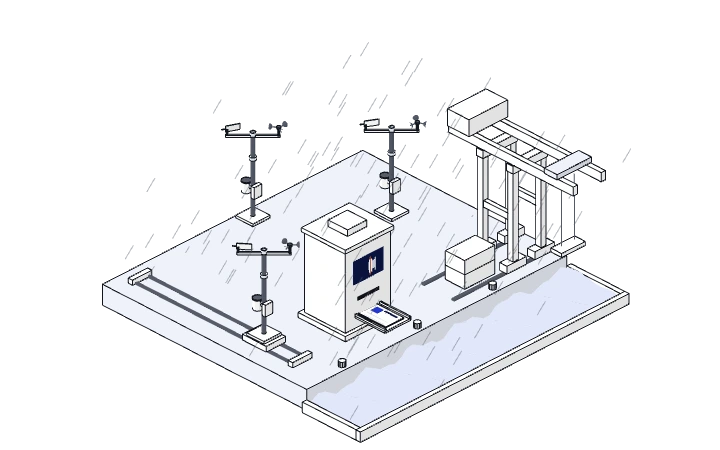
Read the piece Why AI agents slip out of controlI developed it at Ineco for deciding in critical infrastructure when weather forecasts contradict each other, with a certificate attached to every decision.
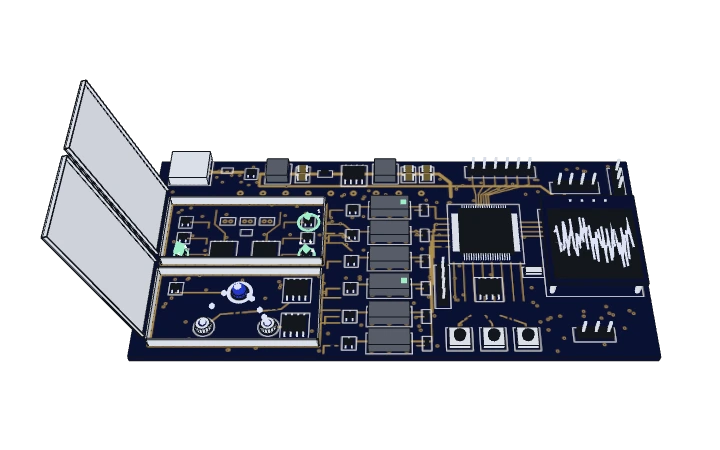
An open-hardware randomness generator with two independent physical sources that can be queried from the outside, so nobody has to take its word for it.
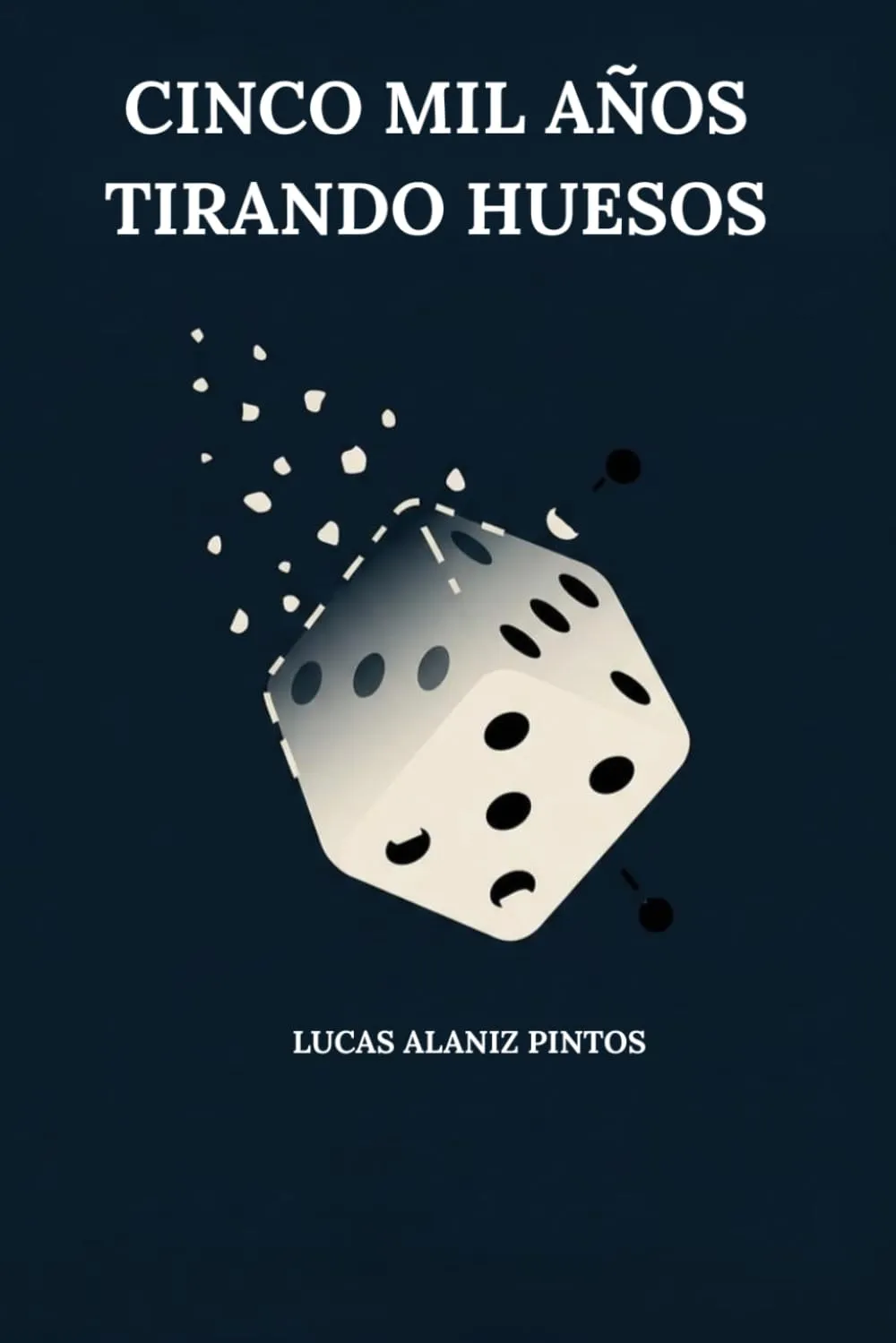
A history of chance and trust, from the knucklebone to the quantum generator, in which a fair draw was never enough unless it could be shown to be fair.